Symbiotic Knowledge Graphs: A Vision for Semantic Brain-Computer Interfaces

Ruben Taelman

ISWC 2026, 26 October 2026

Symbiotic Knowledge Graphs

A Vision for Semantic Brain-Computer Interfaces

Ghent University – imec – IDLab, Belgium

Post-WWII: bottleneck shifts from scientific knowledge production → consumption
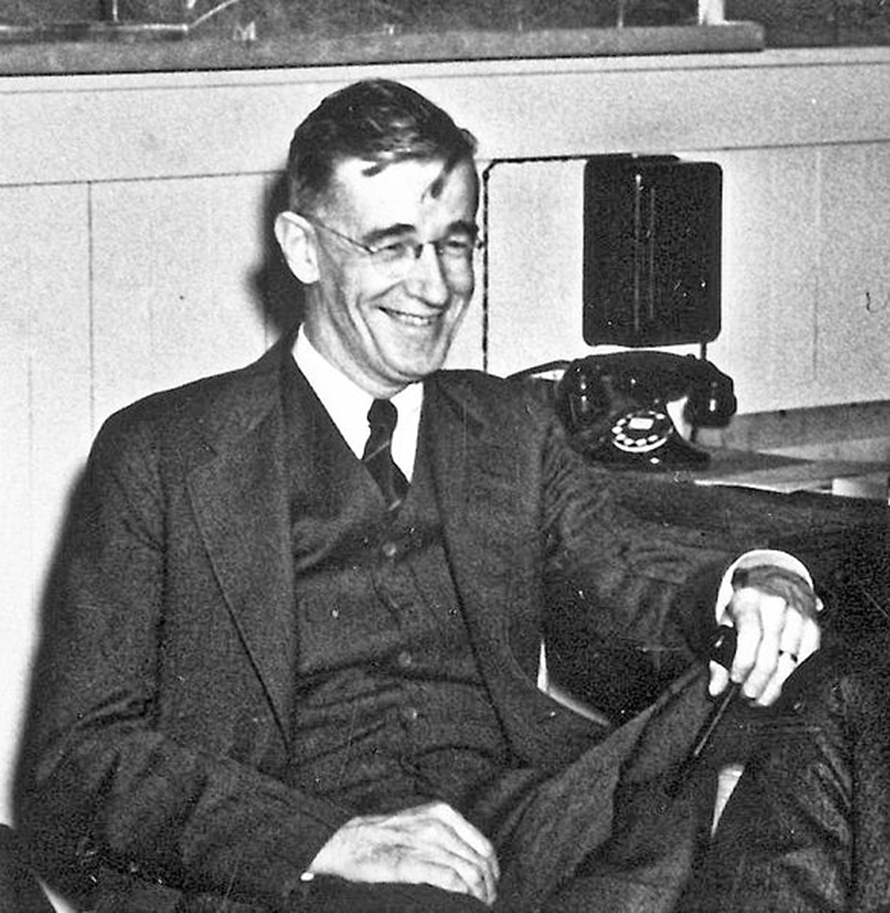
Vannevar Bush, Manhattan Project, NSF Photo: Office for Emergency Management, 1940–44 (Library of Congress, public domain)
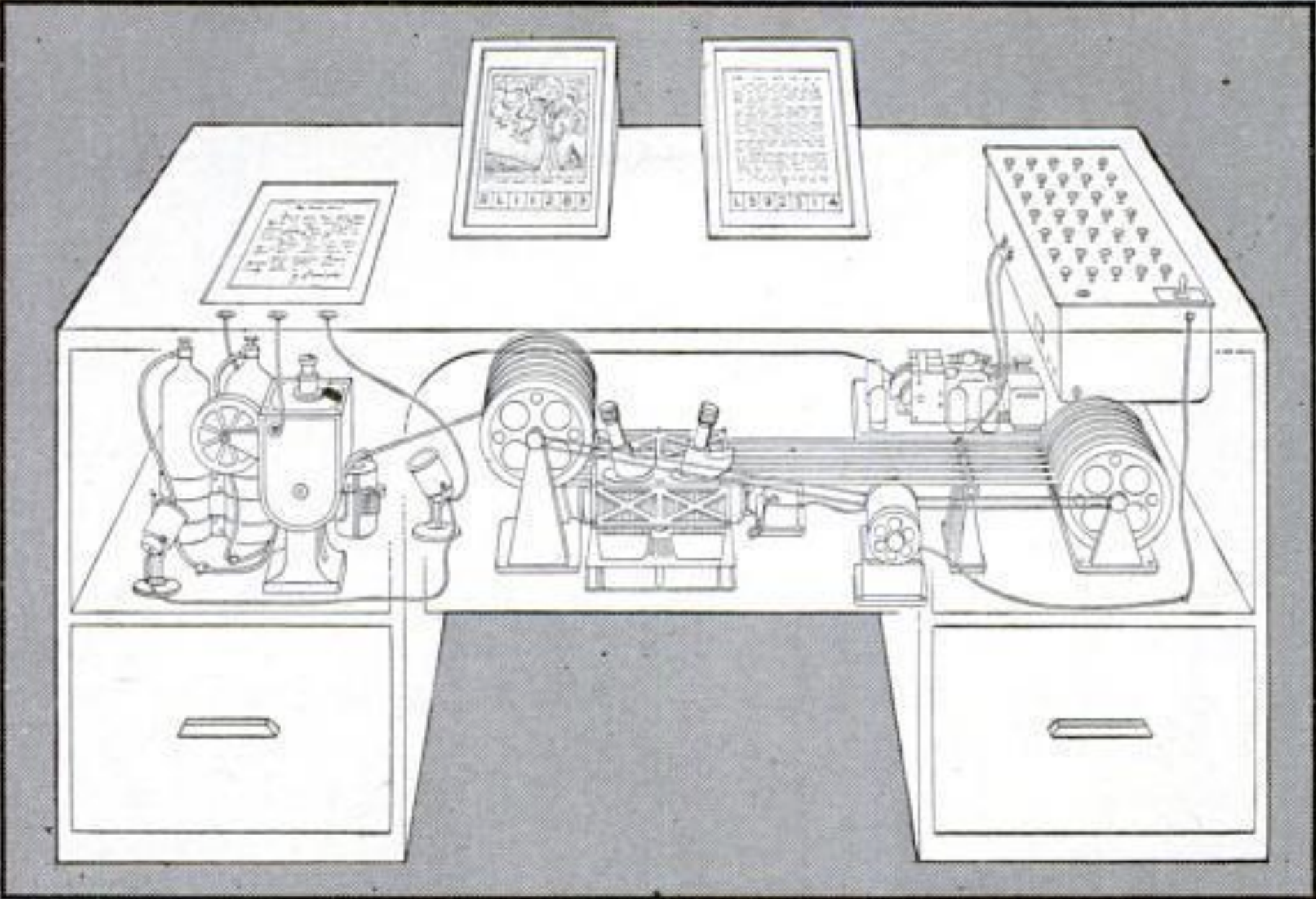
Memex illustration by Alfred D. Crimi, LIFE, 10 Sept. 1945

Need for cooperative interaction between humans and machines

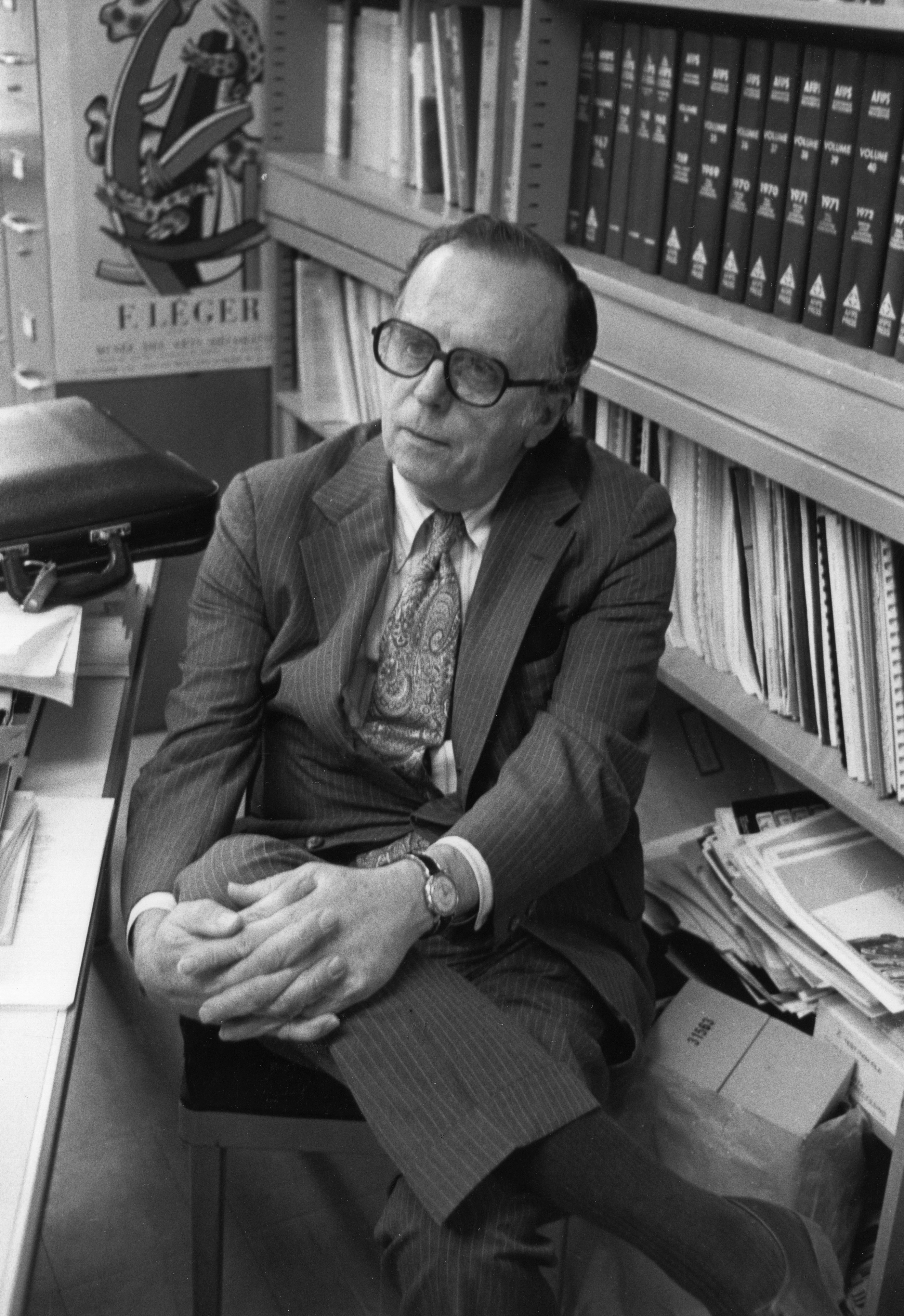
Joseph Carl Robnett Licklider, ARPA Photo: MIT Museum

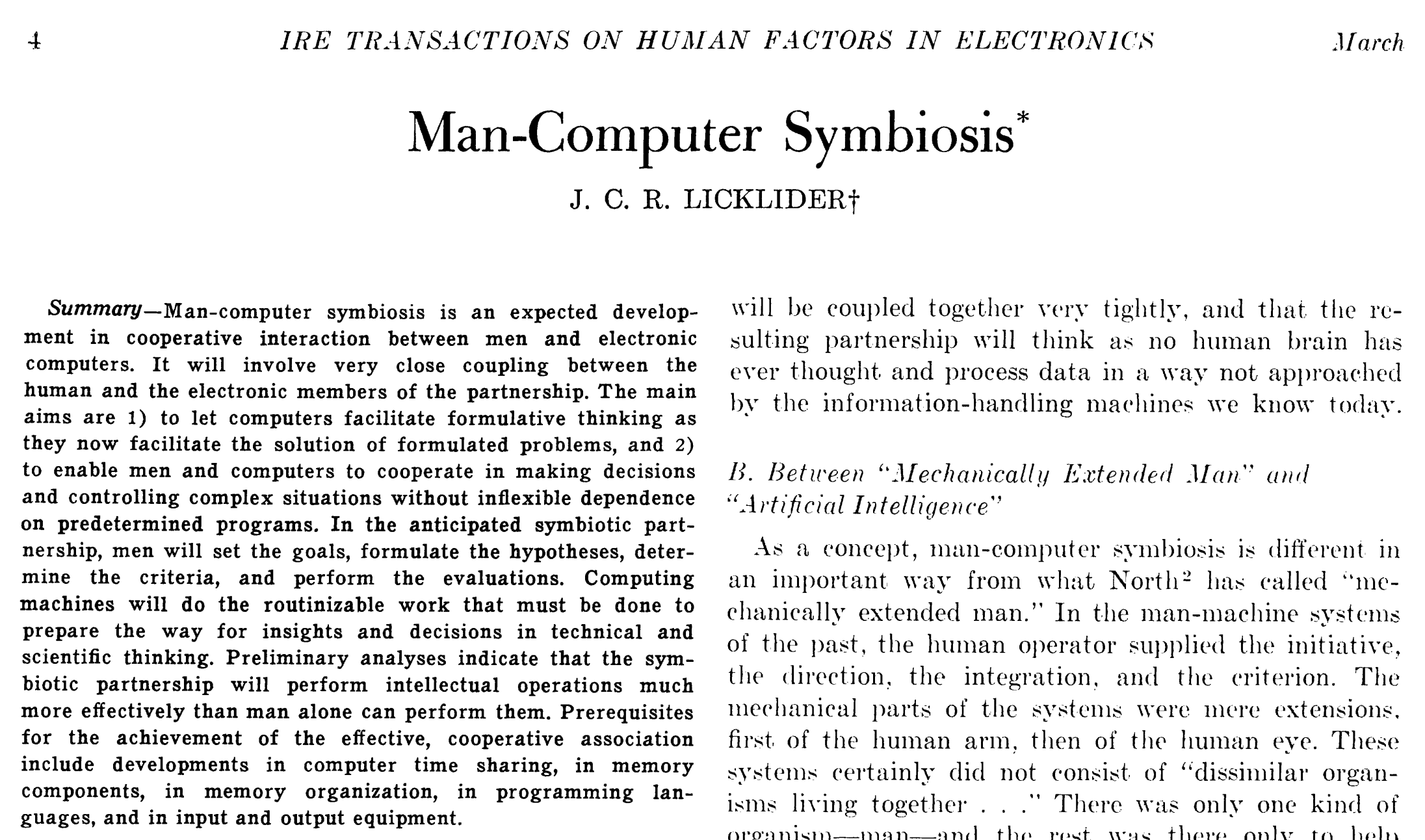
Licklider, IRE Transactions on Human Factors in Electronics, 1960

Humans solving complex problems better by directly augmenting human cognition

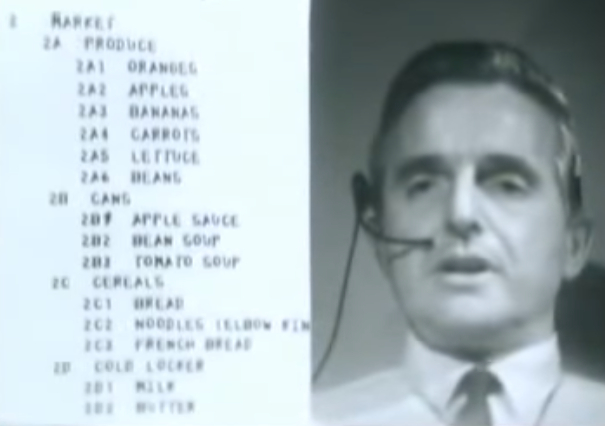
Douglas Engelbart, Augmentation Research Center Still from the 1968 SRI demo
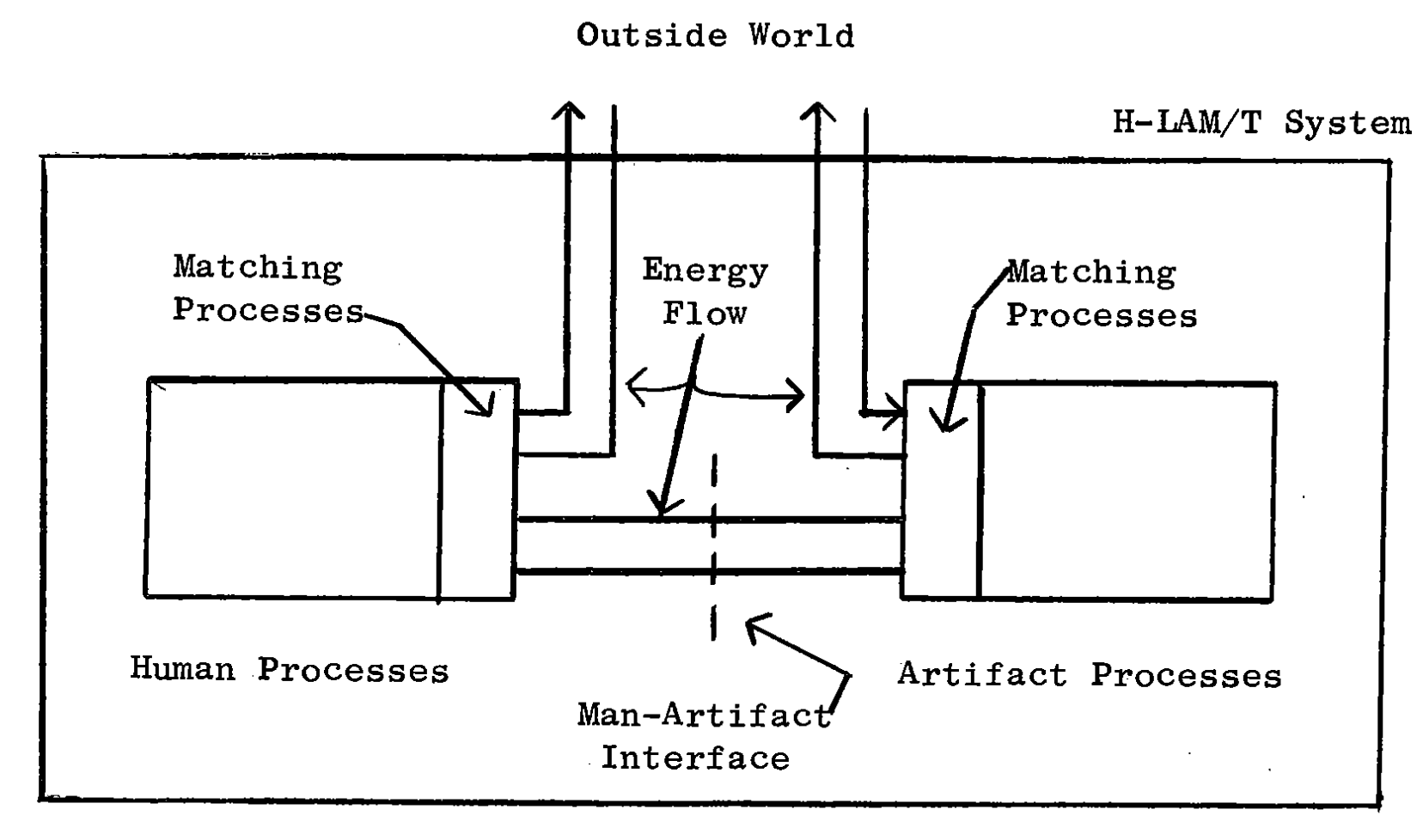
Engelbart, Augmenting Human Intellect, SRI report, 1962

The Semantic Web → intelligent agents

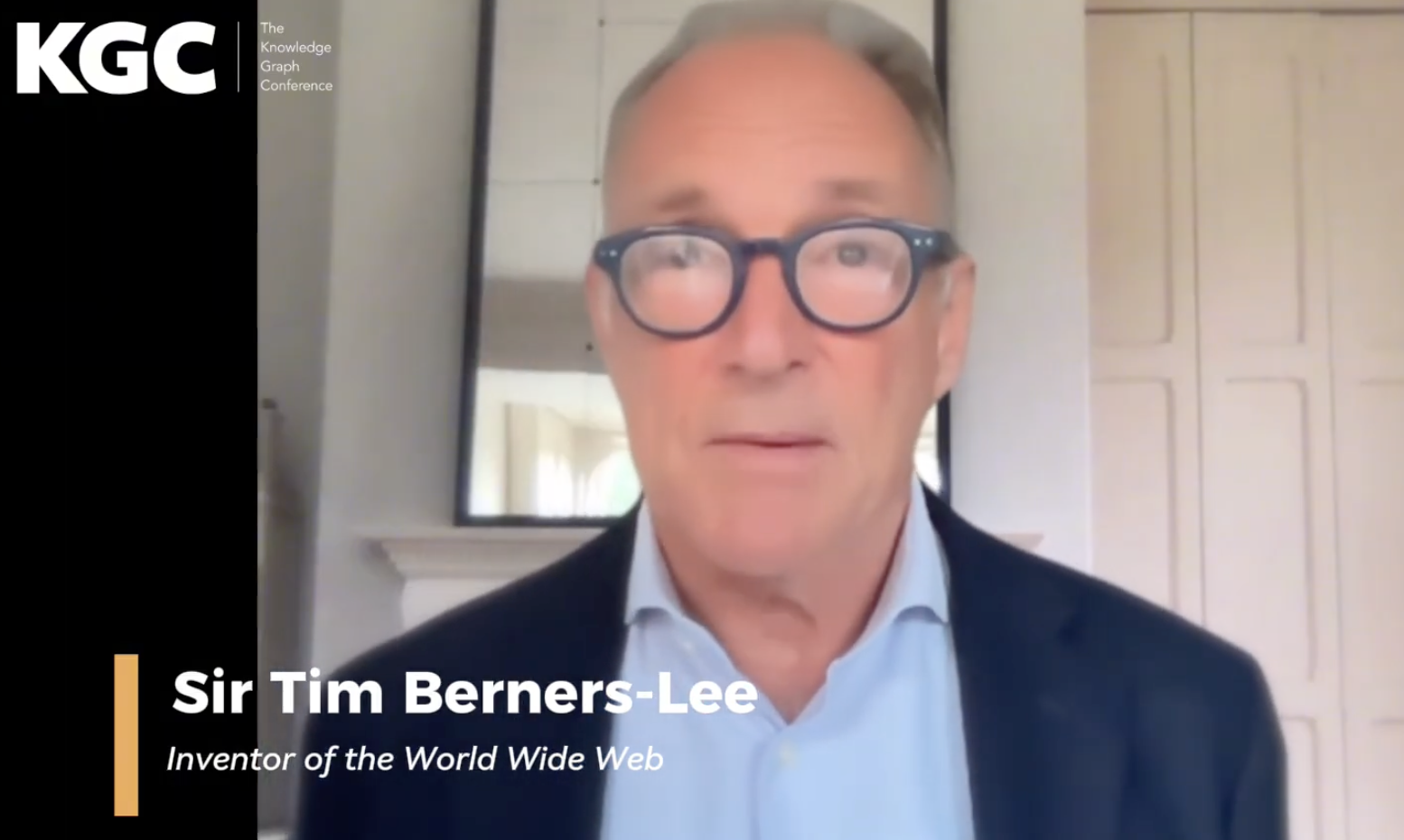
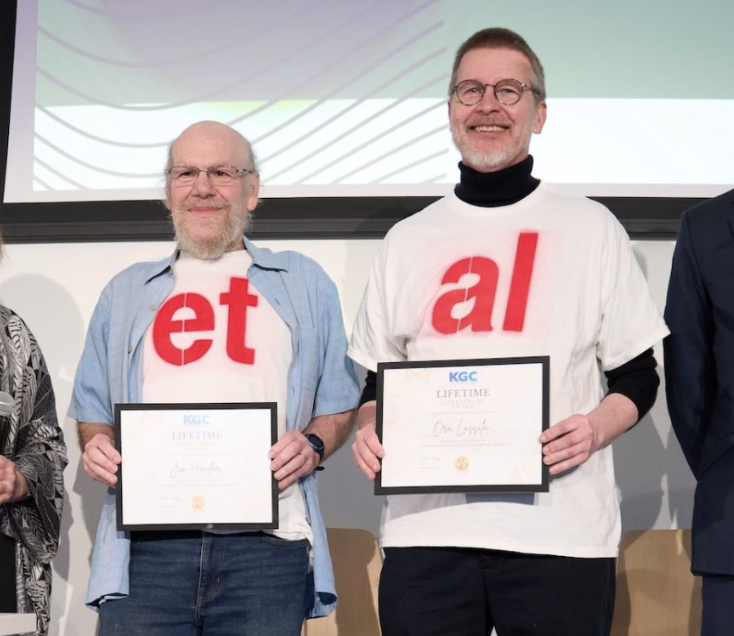
Tim Berners-Lee, Jim Hendler, Ora Lassila Photos: Knowledge Graph Conference (KGC), 2025
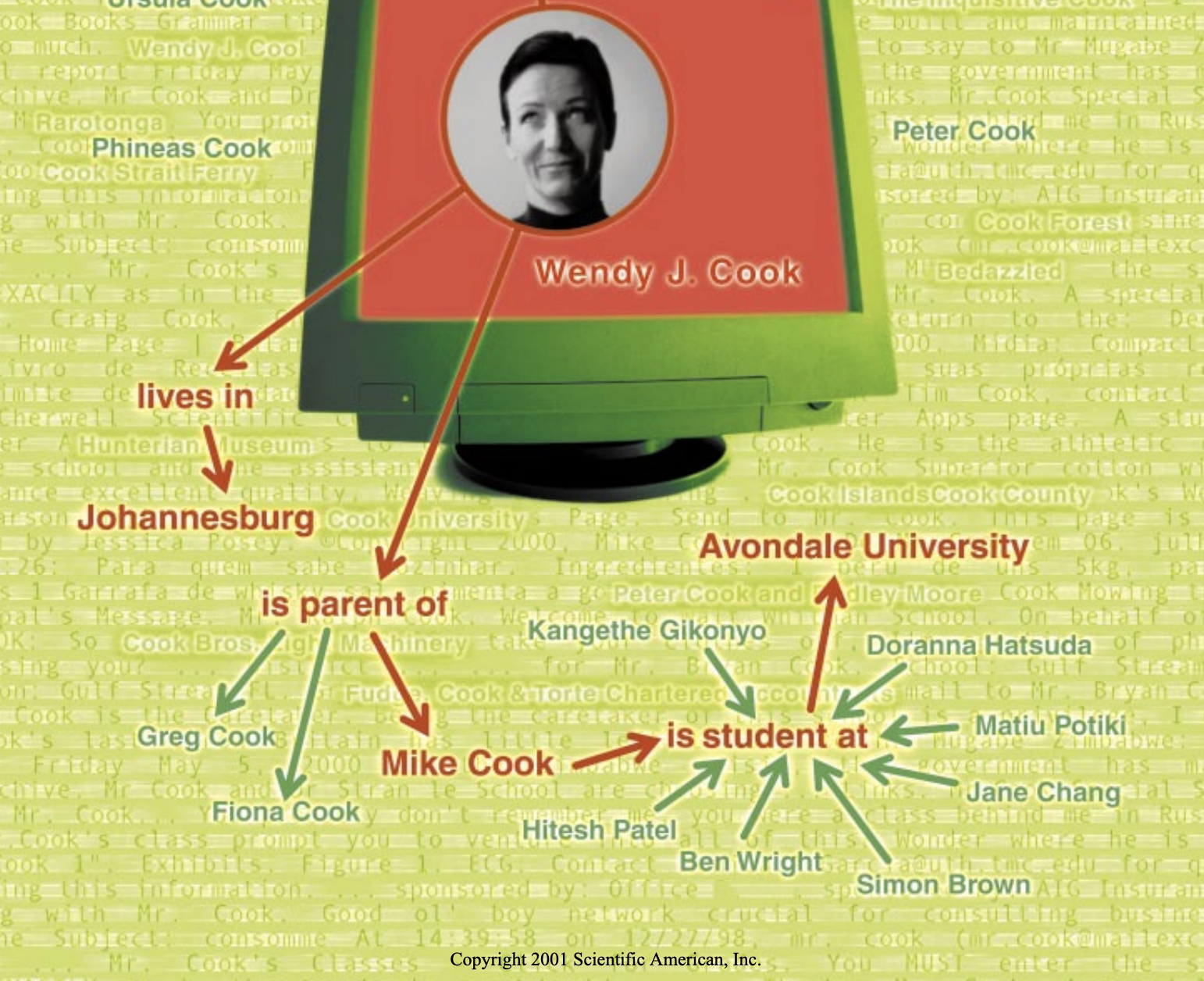
Illustration © 2001 Scientific American (The Semantic Web, Berners-Lee, Hendler & Lassila)

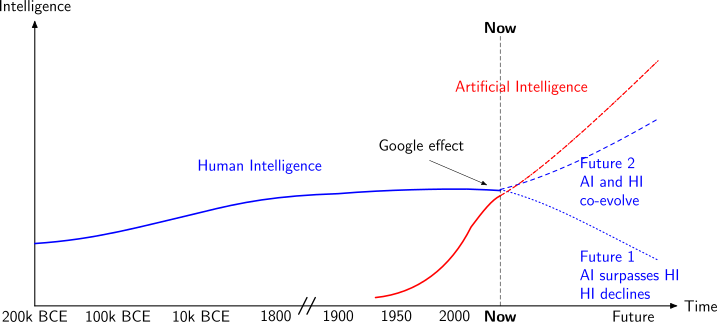
Why does this matter now?

Google effect: we offload thinking to search engines and AI, causing our memory and skills to degrade (Sparrow et al., 2011).

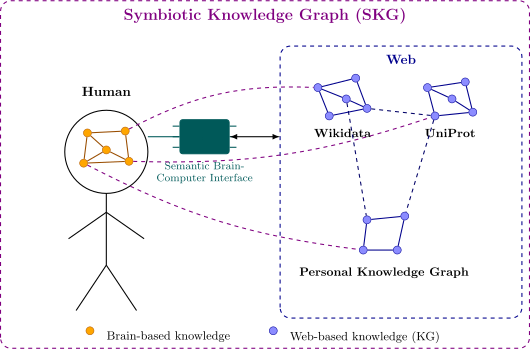
Integrating Brain-based Knowledge Graphs with external Knowledge Graphs

Using a (hypothetical) Semantic Brain-Computer Interface


Semantic Web stack provides important building blocks

Opportunities using current BCI technology

BCIs can encode and decode sensory information


BCI technology has major limitations

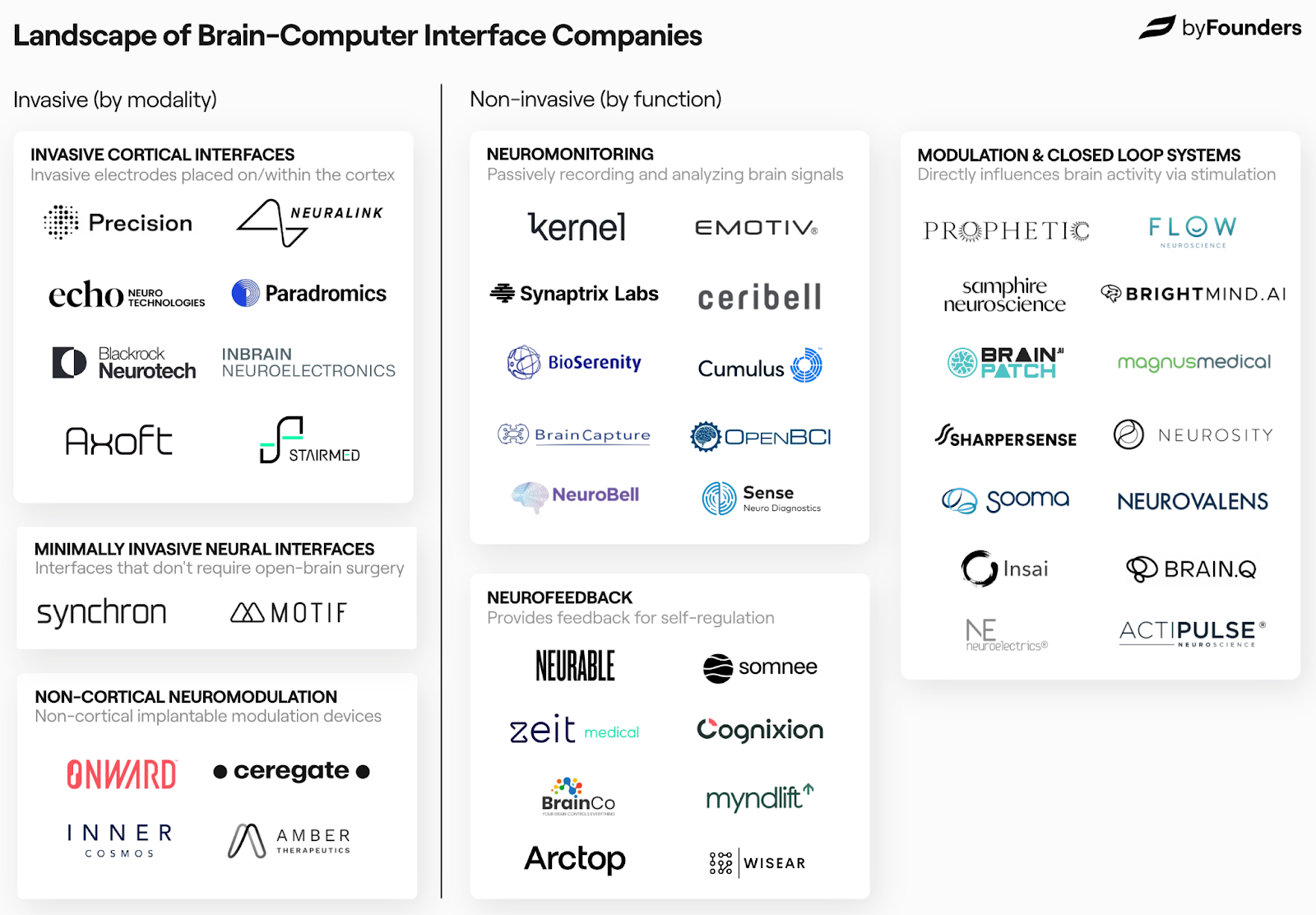
BCIs are rapidly evolving due to increasing commercial interest


Source: byFounders, Brain-Computer Interfaces: Exploring the Last Frontier, 2025

Mapping biological semantic memory to and from symbolic knowledge

Mapping biological reasoning to and from (sub)symbolic reasoning

Augment human reasoning with external reasoners


Modeling ownership and access control for biological memories

Conclusions